Small-Group Personal Training vs Classes — What to Expect, What You’ll Get, and How Often to Train
Hey Impact Family and Friends,
Let’s clear the fog on a question I get every week: What’s the difference between small-group personal training and a “class”? And how does it stack up against 1:1? If you’re in Framingham and want results that last—strength, energy, confidence—this will help you pick the right lane.
Small-Group Personal Training in Framingham: What to Expect & Results
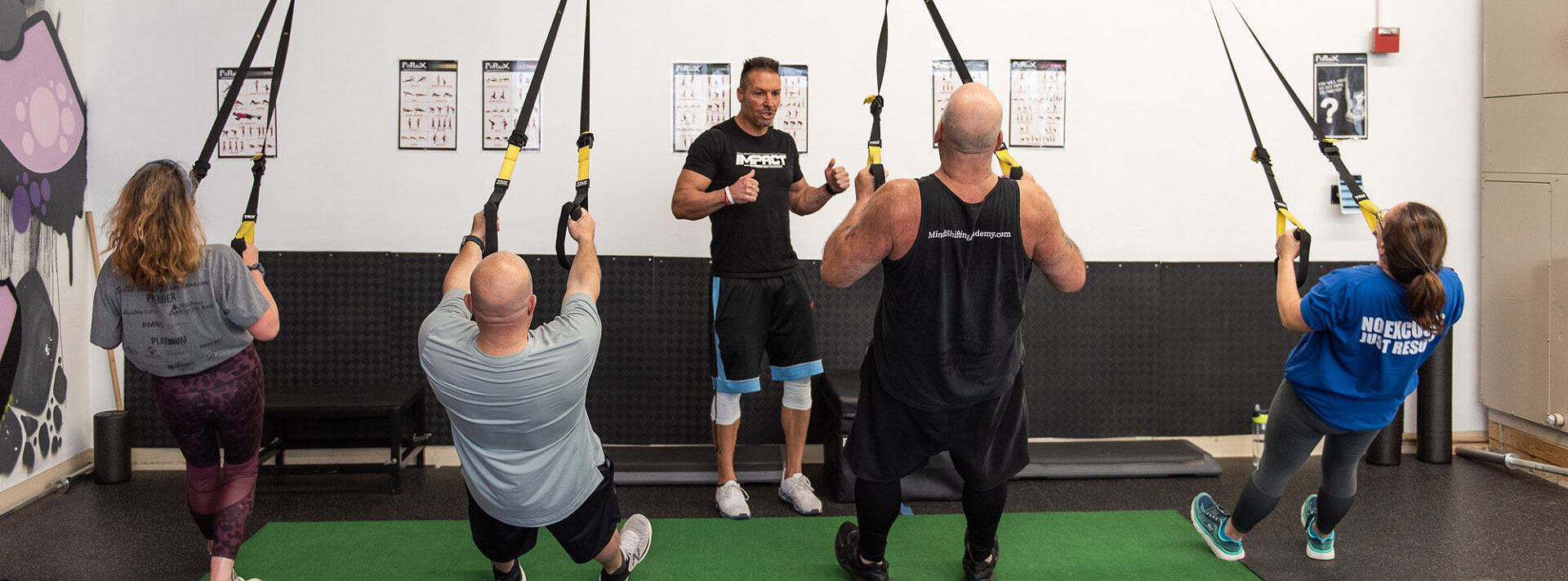
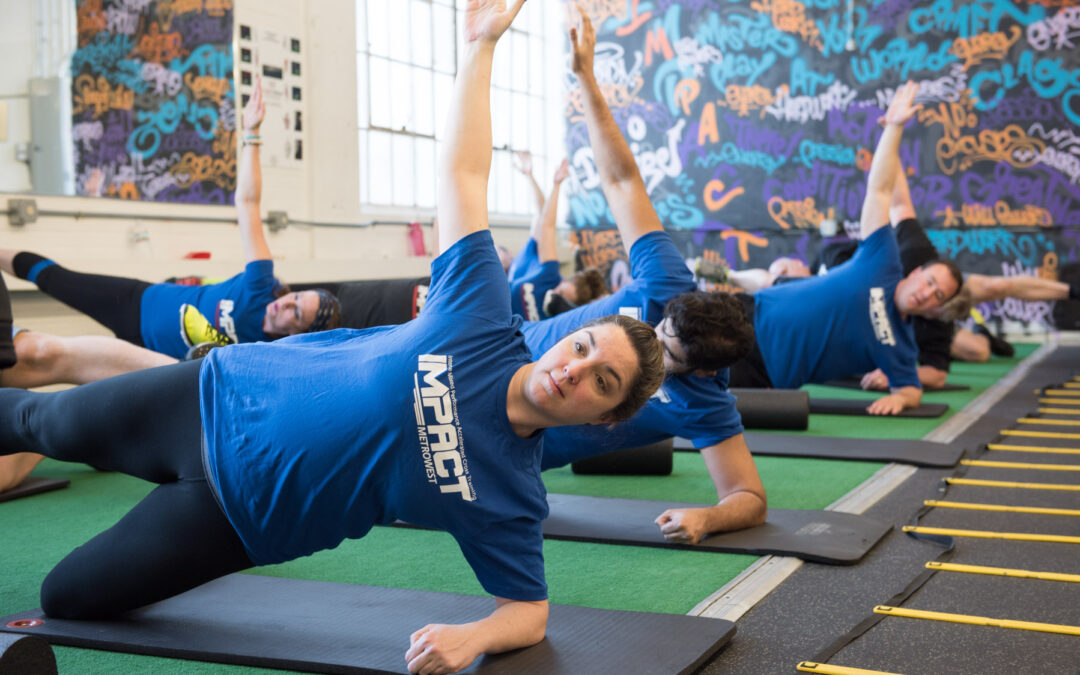
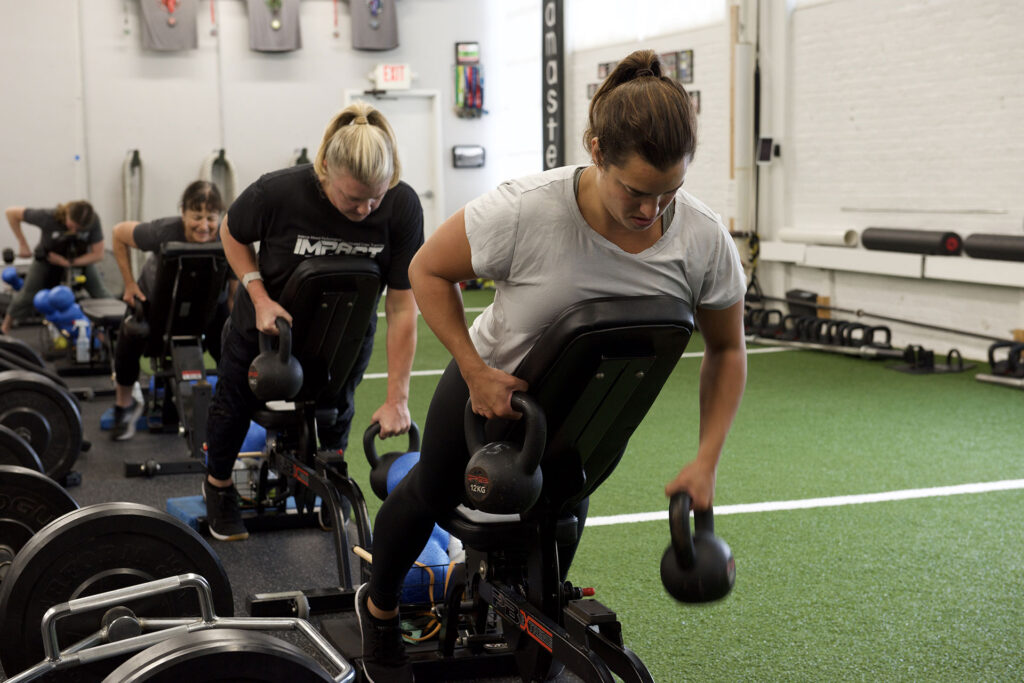
This isn’t a bootcamp or a playlist with burpees. Small-group personal training (SGPT) is coach-led, capped headcount, and personalized inside a shared hour. You’re lifting with 5-8 other people, but your program, loads, and cues are yours.
Expect:
- A quick check-in (sleep, stress, joints) and a plan adjustment in real time
- Technical coaching on the big rocks—squat, hinge, push, pull, carry
- Evidence-based progressions: volume, tempo, and intensity dialed to you
- Real community energy without the chaos
Results we see in 30–90 days: cleaner positions, stronger lifts, fewer random aches, better balance, better sleep, and a quieter nervous system. Translation: you feel powerful again.
Small-Group vs 1:1 vs Classes: Costs, Coaching, Results
- 1:1 Personal Training: Highest touch, surgical problem-solving, pure you-time. Best for complex injury histories, advanced skill acquisition, or specific timelines. (We often use short 1:1 sprints to level-up a skill, then roll you back into SGPT.)
- Small-Group Personal Training: Best value-to-coaching ratio. You get customized programming, constant cues, and community. 90% of people chasing strong, lean, and pain-smart should start here.
- Classes (generic, not Impact): Great for sweat and social, but usually one pace, one plan. Good for movement practice, not ideal for long-term strength progress or joint-friendly progressions.
How We Personalize in a Group (Assess → Coach → Progress)
Our system is simple and effective:
- Assess: Movement screen + history (shoulders, knees, back), daily readiness
- Coach: Precise cues, exercise swaps, and micro-adjustments (stance, grip, tempo)
- Progress: Week-to-week changes in load, sets/reps, and complexity—data-driven, not random
You’ll see us tweak foot pressure, range of motion, breathing, and tempo on the fly. That’s the difference between exercise and training.
Beginner’s Guide: Your First 30 Days at Impact Metrowest
Week 1: Learn the room, learn your stance, learn your brace. We’re chasing smooth reps, not PRs.
Week 2: Add a little range, own the pause, and find working loads that feel “solid 7/10.”
Week 3: Progress a pattern (more load or more control), and layer in a carry or power move.
Week 4: String it together—consistent weights, cleaner form, first glances of “wow, my joints feel better.”
We’ll pair your training with simple nutrition plays (protein targets, hydration, fiber) so recovery matches the work.
How Often Should I Train? 2x vs 3x vs 4x/week
- 2×/week: Good starter dose. Expect steady skill and strength gains; great for busy pros.
- 3×/week: The sweet spot for body comp, confidence, and momentum.
- 4×/week: For experienced trainees or short sprints toward a goal; recovery must be on point.
We’ll also sprinkle Zone 2 cardio walks and brief sprints when appropriate. Strength is the engine; conditioning supports the ride.
Why Deep Biomechanics Helps You Outperform “Poor Structure”
You don’t need perfect anatomy to perform amazingly. You need mechanics that match your structure. When you understand (and we coach) the details, you distribute force better and pain drops. Here’s why it works:
- Position before load: Ribs stacked over pelvis = safer spine, stronger brace
- Foot pressure & knee tracking: Tripod foot + controlled knee “in” or “out” keeps hips centered and knees happy
- Scapula + breath: Serratus activation and long exhales create shoulder space and core tension—pressing feels better
- Tempo & range you own: Slow eccentrics build tissue tolerance; you stop “hanging” on joints and start using muscle
- Progression, not guessing: Small weekly changes compound; joints feel protected while numbers climb
Bottom line: Smart mechanics let you out-perform your blueprint—surgery history, “bad knees,” stiff back—without beating yourself up.
Ready to move from random to results?
If you want the community plus the coaching, choose Small-Group Personal Training. If you need a quick tune-up first, we’ll start with a couple of 1:1 sessions and then roll you into SGPT. Either way, we’ll assess → coach → progress.
Next step: Book your Free Strength Strategy Session (movement screen + personalized 12-week plan). We’ll help you pick 2×, 3×, or 4×/week and map your first month.
Framingham, this is your time. Muscle = Medicine. Let’s build it—strong, joint-friendly, and sustainable.
LFG,
Coach Peter
Impact Metrowest
“Form first. Then heavy and hard.”